Use Cases
Agriculture
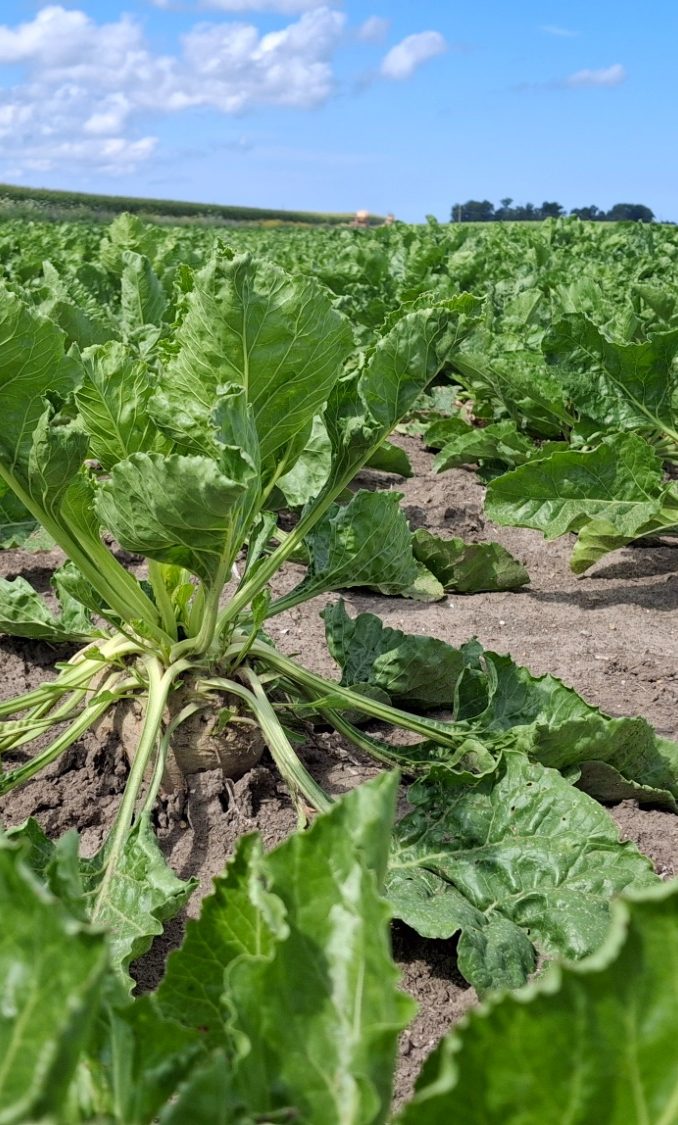
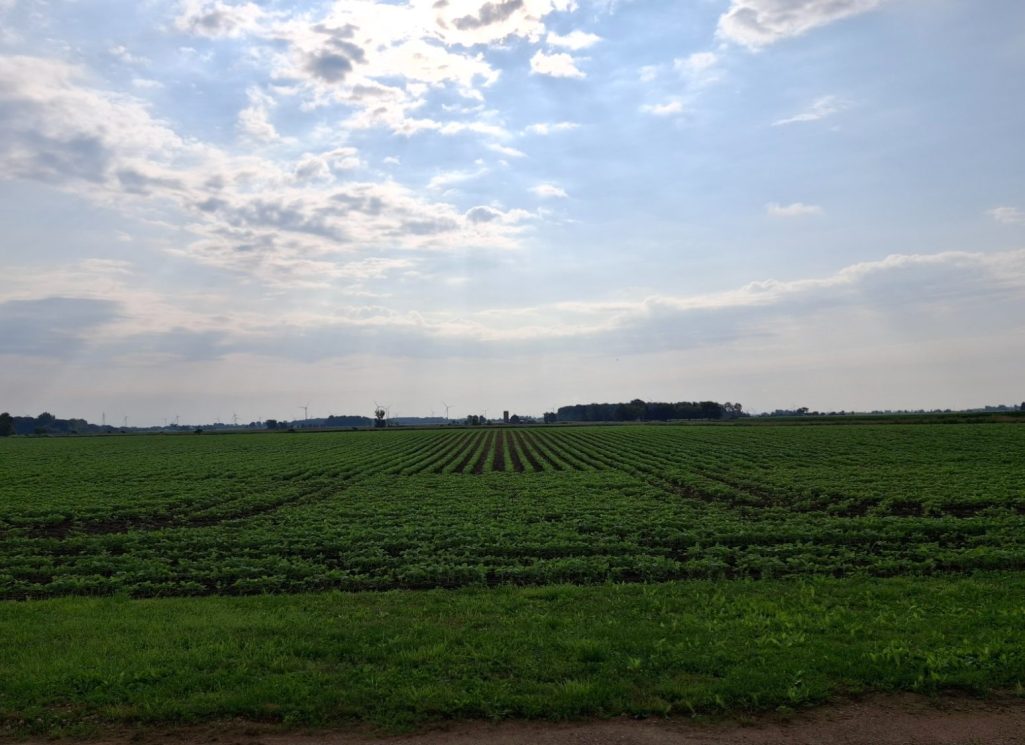
To protect agriculture with drone swarms, farmers first fly a drone over their land to
get a full aerial view of the crops. The drone’s camera helps spot problems
early, such as pests, plant diseases, or
areas that aren’t getting enough water. By
checking the live video or photos, farmers
can quickly identify which parts of the
field need attention. Other drones in the swarm can also be equipped with deterrents like spraying or
noise systems. This allows farmers to
apply pesticides, fertilizers, or water
directly or make noise onto the areas that
need it. The swarm reaches places that
are difficult to cover manually. This saves
time, reduces waste, and keeps farmers
away from harmful chemicals.
By monitoring and deterring with drones,
farmers can protect their fields more
efficiently, keep their crops healthy, and
increase their overall harvest.
SOLAR FIELDS
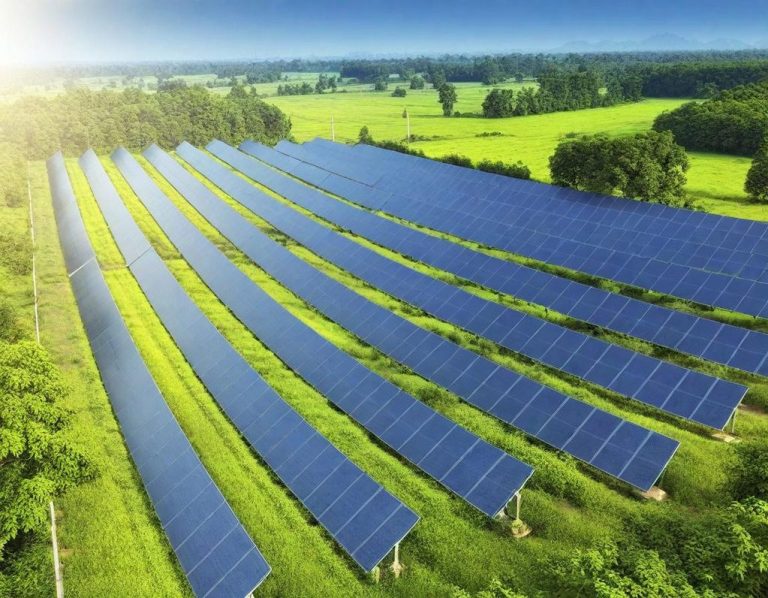
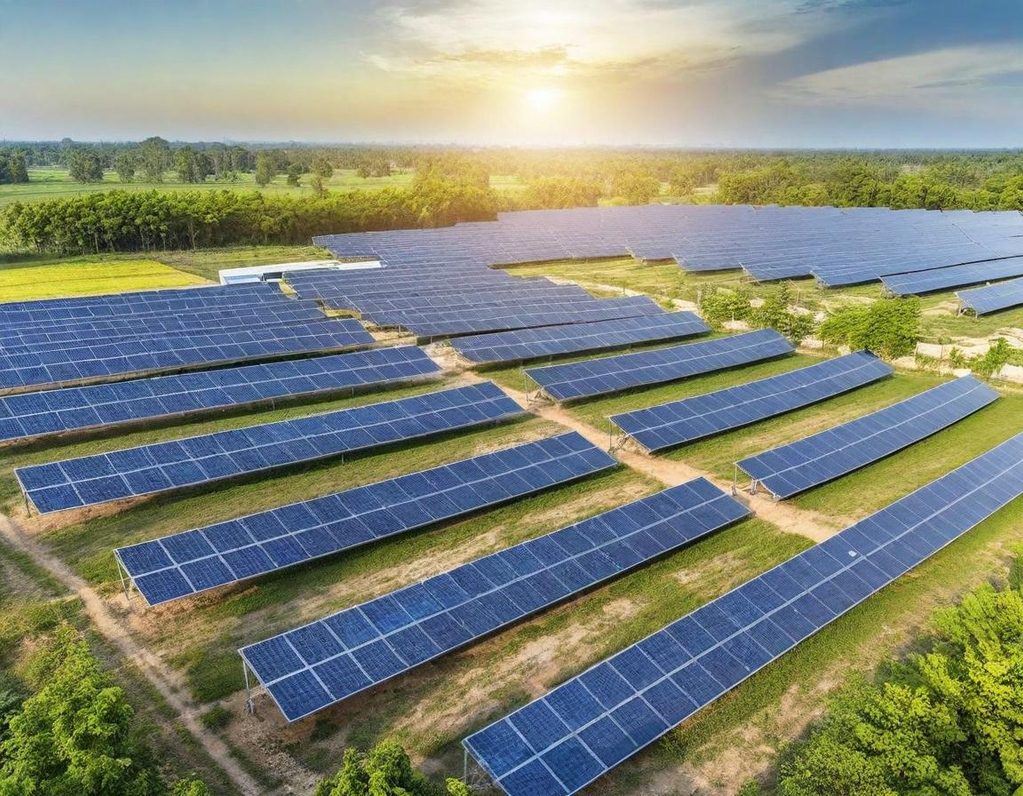
Drone swarm can be used in solar fields
that can span multiple square acres or
miles to check panels quickly and
accurately. Multiple synchronized drones
are flown over the solar farm following a
planned path. As it flies, each drone’s
camera or thermal sensor scans each
panel from above. The thermal camera
helps detect hot spots, which are areas
where a panel is overheating or
malfunctioning. Regular cameras can
spot cracks, dirt, broken parts, or
shading issues that reduce power
production. After the swarm collects the images, the data is reviewed to see which panels
need cleaning, repairs, or replacement.
This method is much faster than inspecting panels by hand and reduces
the risk of workers walking around large
fields in the heat.
By using drones, solar
companies identify problems sooner, fix
issues quicker, and keep their energy
production high.
NATURAL DISASTERS
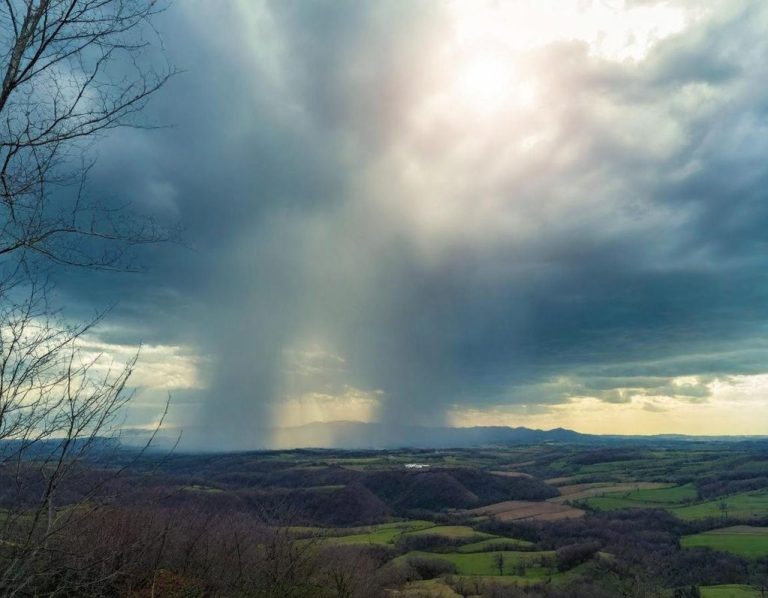
In the aftermath of natural disasters,
drone swarms provide an invaluable tool
for surveying damage and aiding in
search and rescue operations. Equipped
with high-resolution cameras, thermal
imaging technology and other
functionalities, these unmanned aerial
vehicles can quickly cover vast areas,
providing real-time data and aerial views
that help first responders assess the
situation as well as perform other tasks
like sound or deliveries.
By utilizing drones, teams can identify
survivors trapped under rubble or locate
inaccessible areas that traditional
methods might miss. Additionally, the
ability to rapidly gather and transmit
information enables emergency services
to allocate resources more effectively,
ultimately saving lives and accelerating
recovery efforts
As technology continues to advance, the
role of drones in disaster response is
becoming increasingly vital, ensuring that
assistance reaches those in need as
swiftly as possible.

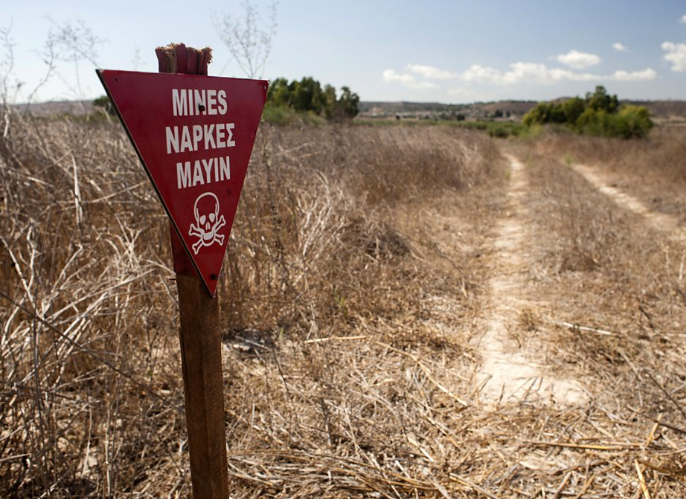
DE-MINING
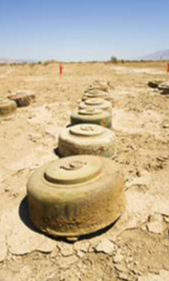
In recent years, the use of drones in
demining operations has transformed the
approach to clearing minefields and
ensuring public safety. Drones equipped
with advanced sensors and imaging
technology can survey uncharted and
difficult to reach territories, accurately
identifying landmines and explosive remnants of war without putting human
lives at risk.
These unmanned aerial vehicles (UAVs)
can cover vast areas quickly, utilizing
techniques such as infrared imaging and
ground-penetrating radar to detect buried
mines. Moreover, by integrating artificial
intelligence, data collected from drone
surveys can be analyzed to create
detailed maps of hazardous zones,
paving the way for more effective
clearance operations.
This innovative application of technology
not only enhances the efficiency of
demining efforts but also helps in
restoring access to vital land for
agricultural, residential, and recreational
use.
CRITICAL INFRASTRUCTURE
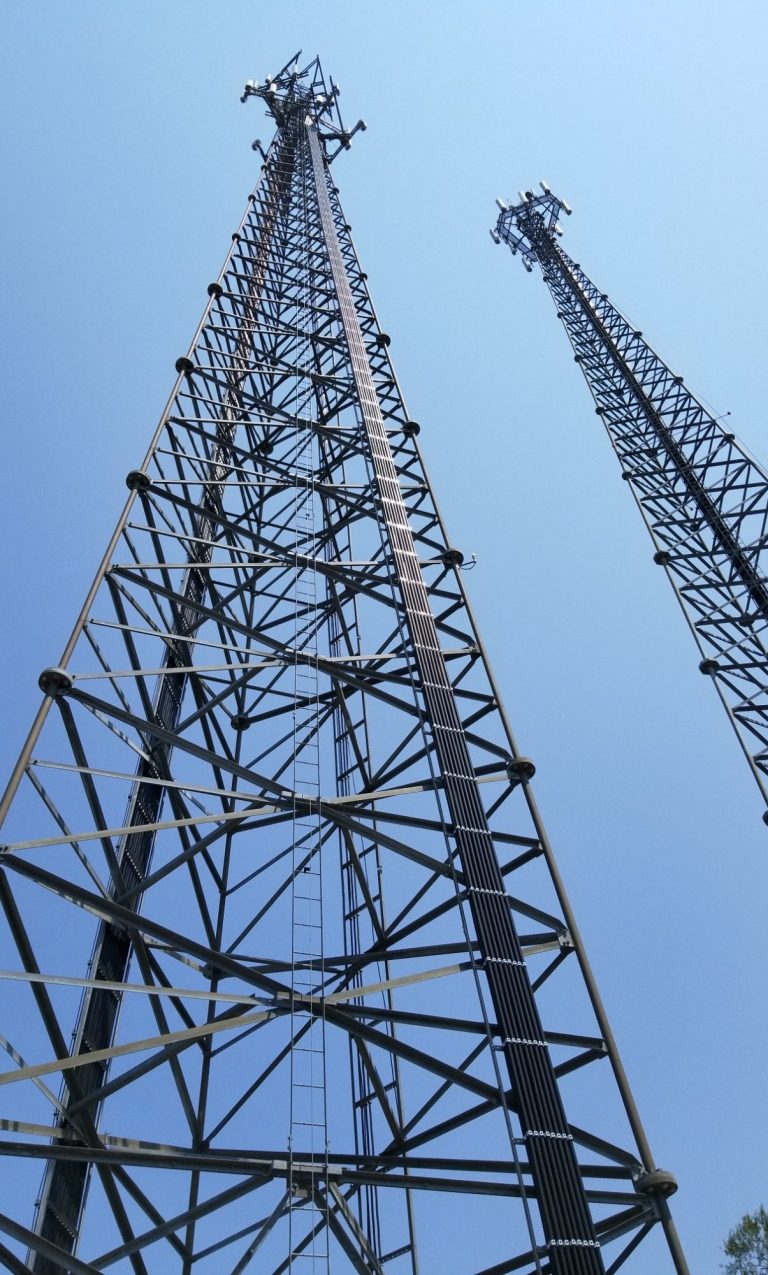
Drone swarms provide an essential tool
in the management and maintenance of
critical infrastructure across various
sectors. They are capable of speedily
monitoring and inspecting structures
such as bridges, dams, and power lines,
allowing for real-time data collection and
analysis that enhances safety and
efficiency. By employing drones swarms
equipped with high-resolution cameras
and sensors, infrastructure managers can
quickly identify issues like structural
damage or maintenance needs,
eliminating downtime, without requiring
time-consuming and costly manual
inspections.
Moreover, drone swarms facilitate rapid
response in emergency situations,
providing aerial views that aid in planning
and coordinating disaster response
efforts, ultimately improving resilience
and safety in the face of natural
disasters.
As technology advances, the integration of drone swarms in critical infrastructure
management is expected to grow, paving
the way for more innovative solutions to
enhance reliability and sustainability.